


 0
0
 0
0
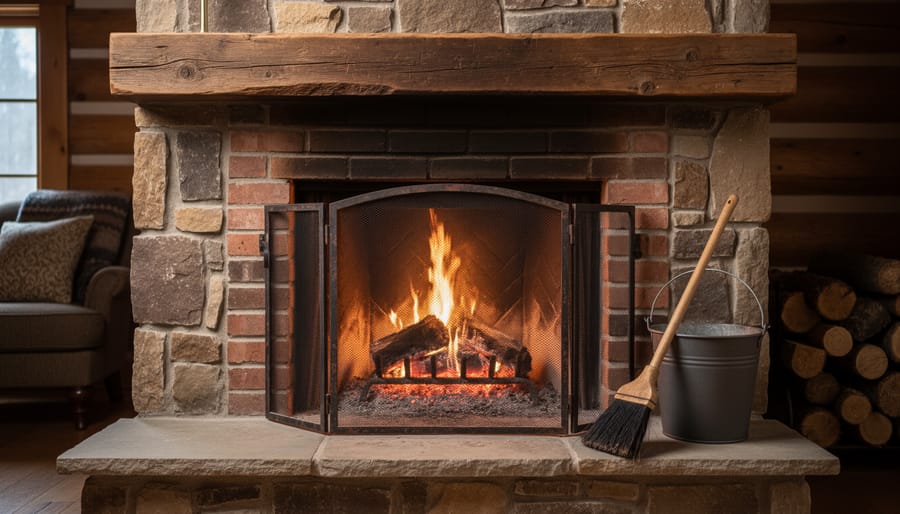
Picture the soft crackle of burning wood, the dancing glow of flames against weathered stone, and the comforting warmth that draws your family together on cold winter evenings. A rustic fireplace becomes more than just a heat source—it transforms into the soul of your home, a gathering place where memories are made and stories are shared. Whether you’re drawn to the timeless appeal of stacked fieldstone, the character-rich texture of reclaimed brick, the natural warmth of exposed wood mantels, or the industrial charm of blackened metal accents, rustic fireplace styles offer endless possibilities to create a space that feels authentically yours.
Yet the romance of a roaring fire comes with an essential responsibility: proper chimney care. The same fireplace that creates such inviting ambiance requires regular attention to keep your family safe and your home protected. Creosote buildup, structural damage, and blocked flues can turn your cozy retreat into a serious hazard. Understanding how to balance aesthetic choices with maintenance needs ensures your rustic fireplace remains both beautiful and functional for years to come.
This guide walks you through the most captivating rustic fireplace styles while providing straightforward chimney care practices every homeowner should know. From selecting materials that complement your design vision to establishing a chimney sweep Clearwater FL maintenance routine, you’ll discover how to enjoy the best of both worlds—stunning design and peace of mind.
The Soul of Rustic Design: Classic Fireplace Styles That Transform Your Space
Stone and Rock Fireplaces: Nature’s Own Architecture
There’s something almost magical about gathering around a stone fireplace on a crisp evening. The natural textures, the earthy colors, the sense that nature itself has been welcomed into your living space—stone and rock fireplaces embody rustic charm in its purest form. These aren’t just heating elements; they’re architectural statements that anchor a room with the timeless beauty of the natural world.
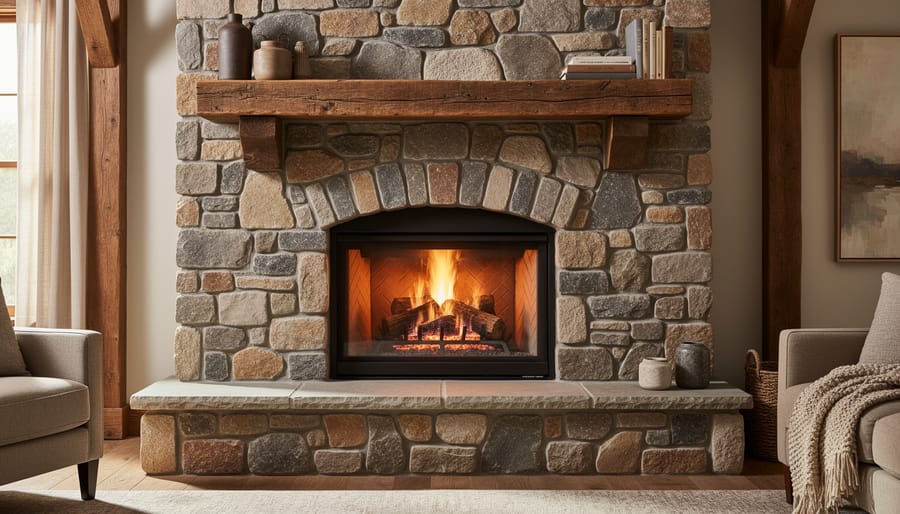
Imagine a fireplace crafted from fieldstone, each piece uniquely shaped by centuries of natural forces. Fieldstone fireplaces tell a story with every irregular edge and varied hue, creating a surface that’s never quite the same from one angle to the next. The rough-hewn character of fieldstone brings an authentic, almost primitive quality to your space, as if your fireplace has been standing there for generations. These stones, often gathered from local sources, carry the essence of your region’s landscape right into your home.
River rock offers a different kind of appeal. Smooth, rounded stones in shades of gray, tan, and rust create a softer, more organic texture. Picture a floor-to-ceiling river rock fireplace, its gentle curves catching the flickering firelight and casting dancing shadows across your walls. The water-worn surfaces create visual interest without overwhelming the eye, making river rock an excellent choice for those who want rustic warmth with a touch of refinement.
Stacked stone provides yet another dimension to natural fireplace design. With tightly fitted horizontal layers, stacked stone delivers clean lines while maintaining earthy authenticity. The layered appearance adds depth and dimension, creating shadows and highlights that shift throughout the day as natural light moves through your room.
What makes these natural materials so compelling is their inherent variation. No two stone fireplaces are identical, ensuring your hearth becomes a one-of-a-kind focal point that reflects your personal connection to nature’s raw beauty.
Reclaimed Brick Fireplaces: Stories Written in Clay
There’s something almost magical about running your fingers across weathered brick that’s been reclaimed from century-old buildings, warehouses, or even demolished chimneys. Each brick carries its own story, etched in chips, darkened edges, and the subtle color shifts that only decades of exposure can create. When you build a fireplace surround from these time-worn beauties, you’re not just adding architectural character to your home—you’re bringing history into your living room.
Reclaimed brick fireplaces offer a warmth that new materials simply can’t replicate. The natural color variations create visual depth, with hues ranging from dusty rose and burnt orange to deep burgundy and weathered brown. These tones shift depending on the light, making your fireplace a constantly evolving focal point that catches morning sun differently than evening lamplight. It’s this organic quality that makes each reclaimed brick fireplace utterly unique.
What makes these fireplaces especially appealing is their versatility. They bridge rustic and industrial aesthetics beautifully, fitting equally well in a cozy farmhouse kitchen or a converted urban loft. The rough texture and aged patina pair wonderfully with reclaimed wood beams, wrought iron accents, or even sleek modern furnishings for an eclectic blend.
When selecting reclaimed bricks, look for pieces with character—mortar remnants, slight variations in size, and natural imperfections all add to the authentic charm. Leave them unsealed to embrace their raw beauty, or apply a matte finish to protect them while maintaining their vintage appeal. Either way, you’re creating a hearth that feels like it’s always been part of your home’s story.
Wood Beam Mantels and Surrounds: Rough-Hewn Elegance
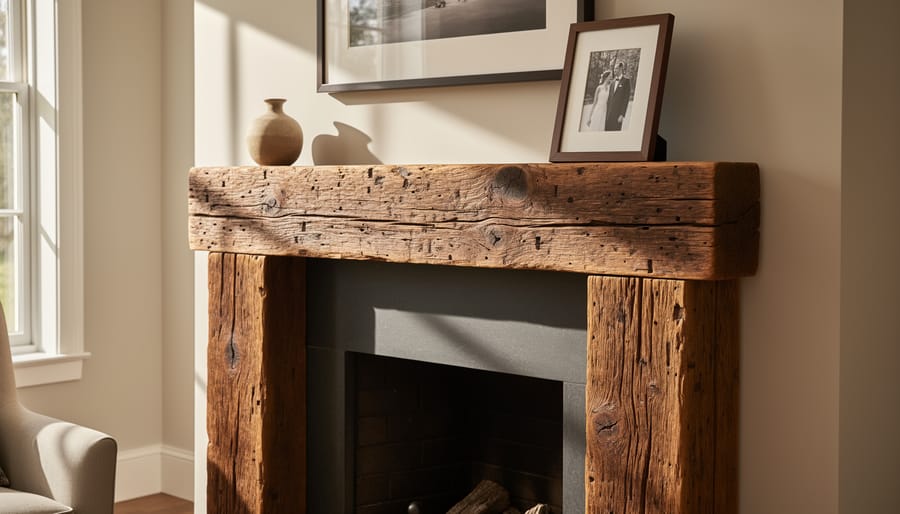
There’s something deeply soulful about reclaimed wood that brings instant character to a fireplace. A rough-hewn beam mantel tells a story—perhaps it once supported a century-old barn or graced the rafters of a farmhouse kitchen. These weathered beauties showcase natural imperfections: hand-hewn chisel marks, checking and cracking from decades of seasonal shifts, and a patina that simply cannot be replicated in new materials.
When you position a substantial barn beam mantel above a stacked stone fireplace, magic happens. The contrast between hard, cool stone and warm, textured wood creates visual balance that feels both grounded and inviting. The wood softens the fireplace’s presence, making even grand stone installations feel approachable rather than imposing. Consider a mantel in rich walnut tones against gray fieldstone, or a sun-bleached oak beam paired with river rock—each combination offers its own unique personality.
Wood surrounds extend this warmth beyond the mantel. Vertical reclaimed boards flanking the firebox create a frame that draws the eye, while horizontal planking can make a fireplace wall feel broader and more expansive. Mixed wood tones add depth and authenticity that aligns beautifully with rustic decorating tips for creating layered, lived-in spaces.
For those concerned about wood near heat sources, proper installation is key. Mantels should follow local building codes for clearance from the firebox, typically 12 inches or more. Modern reclaimed wood suppliers often treat beams to resist further splitting while maintaining their authentic appearance. The result is a fireplace that combines centuries-old craftsmanship with contemporary safety standards—rough-hewn elegance that’s built to last.
Cast Iron and Metal Accents: The Working Ranch Aesthetic
There’s something wonderfully authentic about cast iron and metal accents around a fireplace. These elements harken back to the days when ranch hands would gather around crackling fires after a long day’s work, and metal wasn’t just decorative—it was essential. Today, incorporating these materials into your fireplace design brings that same rugged, time-tested character into your home.
Cast iron fireplace inserts offer both beauty and exceptional heat retention. Picture a vintage cast iron surround with intricate scrollwork or simple, clean lines that frame the flames. These inserts often feature raised panels or relief designs that catch the firelight, creating dancing shadows across your living space. Unlike purely decorative surrounds, cast iron absorbs heat during the fire and continues radiating warmth long after the flames die down, making them as practical as they are handsome.
Metal fireplace surrounds in aged bronze, hammered copper, or blackened steel create an instant focal point with authentic working ranch appeal. Consider a mantel crafted from reclaimed metal brackets, or industrial-style floating shelves supported by iron pipe fittings. These touches tell a story of resourcefulness and durability.
Don’t overlook the smaller details that complete the look. Wrought iron fireplace tools with twisted handles, heavy-duty log holders, and cast iron trivets displayed on your mantel add layers of authentic character. Antique cowboy boot jacks, horseshoes, or vintage branding irons make conversation-starting decorative accents that celebrate Western heritage.
The beauty of metal accents is their ability to complement other rustic materials perfectly. Pair them with rough-hewn timbers, weathered wood mantels, or stacked stone for a complete cabin or lodge aesthetic that feels collected over time rather than purchased all at once.
Why Your Beautiful Fireplace Could Become a Hazard
Picture this: You’re curled up on your favorite armchair on a chilly evening, watching the flames dance behind the screen of your gorgeous stone fireplace. The warm glow casts shadows across your reclaimed wood mantel, and everything feels peaceful and safe. But hidden behind that rustic charm, dangers could be quietly building—threats that most homeowners never see until it’s too late.
That beautiful fireplace that serves as the heart of your home needs more than admiration. Without proper care, it can transform from a gathering place filled with warmth and memories into a genuine hazard for your family. The truth is, neglecting chimney maintenance is like ignoring a slow leak in your roof—the damage happens gradually, silently, until one day you’re facing a crisis.
The most common villain in this story is creosote, a tar-like substance that accumulates inside your chimney every time you light a fire. It starts as a thin coating, barely noticeable, but over time it builds into a thick, highly flammable layer. Just a quarter-inch of creosote buildup can ignite and cause a chimney fire that reaches temperatures exceeding 2,000 degrees. These fires can crack the chimney liner, damage the structure of your home, and in the worst cases, spread to the rest of your house.
Then there’s the invisible threat: carbon monoxide. When your chimney becomes blocked by debris, animal nests, or excessive creosote, deadly gases that should escape safely can back up into your living spaces. This colorless, odorless gas is responsible for hundreds of deaths each year, and many more cases of poisoning that leave families with lasting health effects.
Structural damage presents another concern. Water seeping through cracks in your chimney crown or deteriorating mortar can freeze and expand during winter months, causing the masonry to crumble. What begins as a small crack can eventually compromise the entire chimney structure, requiring expensive repairs that far exceed the cost of regular maintenance.
The good news? All of these hazards are preventable. Regular inspections and proper care protect both your investment and the people you love most.
Essential Chimney Care That Keeps Your Home Safe
The Annual Inspection You Can’t Skip
Picture this: you’re settled into your favorite armchair on a crisp autumn evening, fireplace crackling softly, when suddenly you notice something’s not quite right. Maybe there’s more smoke than usual, or an unfamiliar smell. This scenario is exactly why annual chimney inspections aren’t just recommended—they’re essential to keeping your rustic hearth both beautiful and safe.
The best time to schedule your yearly inspection is late summer or early fall, before the burning season begins in earnest. Think of it as preparing your home for the cozy months ahead, ensuring everything’s in perfect working order when you need it most. During this inspection, a qualified professional examines your entire chimney system with a discerning eye, looking for cracks in the masonry, deteriorating mortar joints, and creosote buildup that could lead to dangerous chimney fires. They’ll also check your chimney cap, flashing, and damper to ensure everything’s functioning properly.
Choosing the right chimney sweep makes all the difference. Look for professionals certified by the Chimney Safety Institute of America (CSIA) or the National Chimney Sweep Guild. These certifications mean they’ve undergone rigorous training and stay current with safety standards. Don’t hesitate to ask for references, proof of insurance, and what their inspection includes. A thorough professional will provide a detailed report of their findings and explain any necessary repairs in terms you can understand.
Remember, your rustic fireplace is more than a design statement—it’s a functional element that deserves proper care. That annual inspection is your peace of mind, ensuring countless evenings of warmth and memories around your cherished hearth.
Cleaning Away the Silent Threat of Creosote
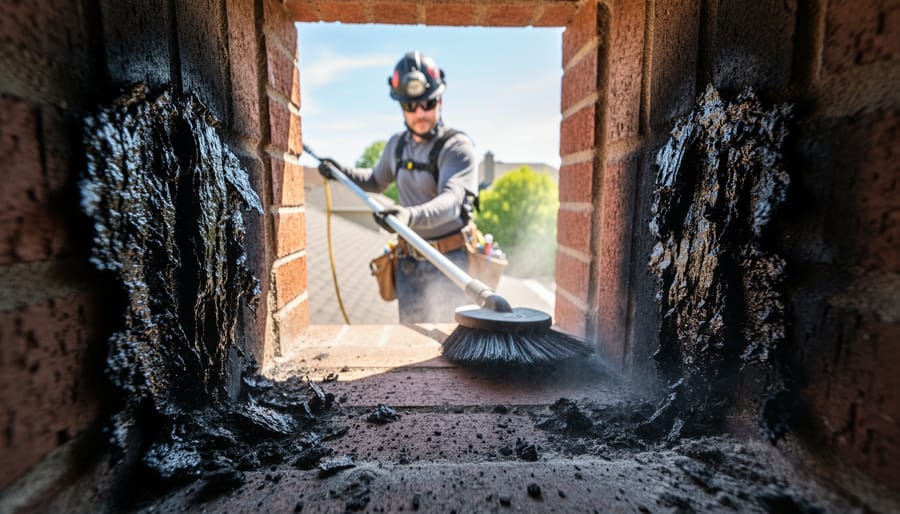
Picture this: inside your beautiful rustic fireplace’s chimney, a silent threat accumulates with every crackling fire. Creosote, a dark, tar-like substance, quietly builds up on your chimney walls, waiting for the right conditions to ignite. Understanding this hidden danger is essential for every homeowner who cherishes those cozy fireside moments.
Creosote forms when wood smoke cools and condenses inside your chimney. It starts as a flaky, sooty deposit but can transform into a sticky, glazed coating that’s incredibly difficult to remove. The danger lies in its highly flammable nature. When creosote ignites, it creates an intense chimney fire that can reach temperatures exceeding 2,000 degrees, potentially causing devastating damage to your home’s structure.
How often you need professional cleaning depends largely on how frequently you use your fireplace. If you burn fires regularly throughout the winter, plan for an annual cleaning before the heating season begins. Homes where the fireplace serves as a primary heat source may need cleaning twice yearly. Occasional users might stretch to every other year, though annual inspections remain wise regardless of usage patterns.
Watch for telltale signs that cleaning can’t wait. A strong, unpleasant odor emanating from your fireplace, especially during humid weather, signals significant buildup. Reduced draft or smoke backing into your room instead of rising through the chimney indicates restricted airflow from creosote accumulation. Black or brown deposits you can see on damper components or fireplace doors also demand immediate attention.
While some homeowners tackle basic chimney brush cleaning themselves, professional service offers distinct advantages. Certified chimney sweeps possess specialized tools, training to identify structural issues, and experience recognizing problems before they become emergencies. For the peace of mind and thorough inspection that accompanies professional cleaning, the investment protects both your rustic sanctuary and your family’s safety.
Protecting Your Chimney from Water and Weather
Water is perhaps your chimney’s greatest enemy, silently working its way through masonry and causing damage that can escalate from minor cracks to structural failures. Picture a cold winter morning when melting snow seeps into tiny fissures, then freezes and expands overnight. Over several seasons, this freeze-thaw cycle can transform a small crack into a costly repair project.
The first line of defense is a properly fitted chimney cap. This simple metal covering acts like an umbrella for your flue, keeping rain, snow, and even curious critters from entering while still allowing smoke to escape freely. Many homeowners with rustic fireplaces choose caps with decorative copper or wrought-iron designs that complement their aesthetic while providing essential protection.
Your chimney crown, that cement layer at the very top, deserves regular attention too. Think of it as the roof for your chimney. Even hairline cracks can channel water down into the masonry, so addressing crown damage early prevents water from reaching vulnerable interior areas.
Flashing, the metal barrier where your chimney meets the roofline, requires inspection at least annually. Properly sealed flashing creates a watertight seal that protects both your chimney and your home’s interior from leaks.
Consider applying a breathable waterproofing sealant to your chimney’s exterior. Unlike paint, these specialized products allow moisture to escape while preventing water absorption, protecting your beautiful stonework or brick for years to come while maintaining that authentic rustic character you cherish.
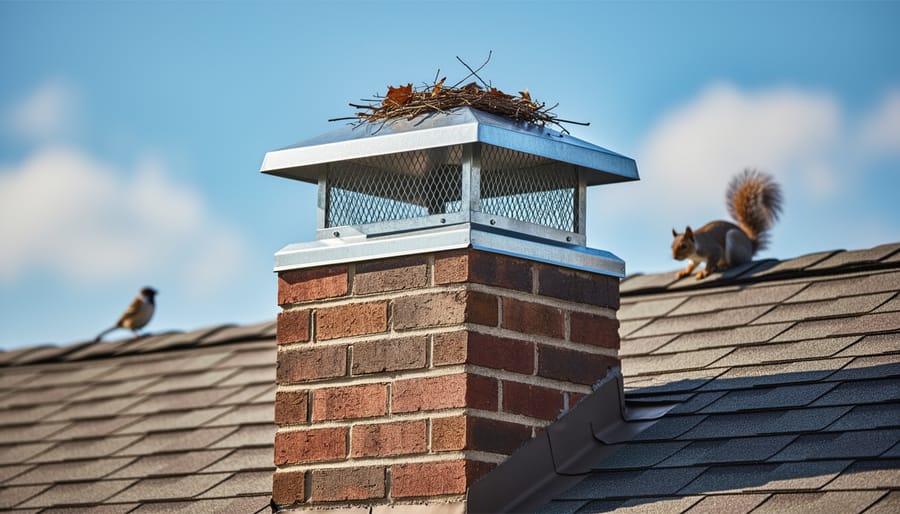
Simple Daily Habits That Extend Your Fireplace’s Life
Think of your fireplace as a cherished friend who deserves a little daily attention to keep that friendship warm and thriving. The beauty of fireplace care lies in its simplicity, and these small habits make all the difference between a hearth that glows reliably for decades and one that struggles along.
Start with the foundation: always burn seasoned hardwood that’s been dried for at least six months. Fresh or wet wood creates excessive creosote buildup in your chimney, turning what should be a cozy evening into a potential hazard. You’ll know your wood is ready when it sounds hollow when knocked together and shows cracks on the ends.
When building your fire, embrace the time-honored top-down method. Layer larger logs on the bottom, medium pieces next, and kindling with newspaper on top. This technique creates a cleaner, more efficient burn that produces less smoke and residue.
After the embers cool completely, remove ash regularly but leave a thin layer about an inch deep. This bed of ash actually insulates the firebox and helps future fires ignite more easily. Store removed ash in a metal container outside, as hidden embers can smolder for days.
Keep a watchful eye for warning signs between professional cleanings: excessive smoke backing into your room, unusual odors, or visible creosote resembling black tar on your chimney walls. These simple observations protect both your investment and your family’s safety.
Blending Beauty and Safety in Your Rustic Fireplace Design
Imagine curling up beside your beautiful rustic fireplace on a crisp autumn evening, knowing that every charming detail has been thoughtfully designed with your family’s safety in mind. The good news? Creating a stunning rustic fireplace doesn’t mean sacrificing essential safety features. In fact, when properly integrated, these protective elements can enhance your design rather than detract from it.
Start with proper clearances, which form the foundation of fireplace safety. Most building codes require combustible materials like wood mantels and decorative beams to sit at least 6 inches away from the firebox opening, though 12 inches provides extra peace of mind. Rather than viewing this as a limitation, embrace it as an opportunity to showcase beautiful stonework or arrange treasured heirlooms at safe distances. That reclaimed barn beam you’ve been eyeing for a mantel will look even more dramatic when properly positioned against a backdrop of natural stone.
Heat-resistant materials become the unsung heroes of rustic design. Natural stone, clay brick, and concrete blocks not only meet safety requirements but also deliver authentic farmhouse charm. These materials can withstand high temperatures while developing rich patinas over time, adding character to your space. Consider surrounding your firebox with thick slabs of fieldstone or arranging salvaged firebrick in herringbone patterns that catch dancing firelight beautifully.
Don’t overlook the charm and functionality of decorative spark screens. Vintage-inspired metal screens with scrollwork details or simple blacksmith-crafted designs prevent errant embers from escaping while serving as functional art pieces. Choose designs featuring wildlife motifs or geometric patterns that complement your rustic aesthetic.
Finally, ensure proper ventilation through a well-maintained chimney system. Fresh air intake and efficient smoke exhaust keep your gatherings comfortable and safe, allowing you to enjoy countless fireside memories in your thoughtfully designed rustic retreat.
Seasonal Rituals for Fireplace Owners
Living with a rustic fireplace means embracing the natural rhythms of the seasons, each one bringing its own rituals of care and attention. Think of it as a beautiful partnership between you and this timeless centerpiece of your home, one that deepens throughout the year.
As spring arrives and the last embers fade, it’s time for your fireplace’s most thorough awakening. Schedule a professional chimney inspection and cleaning to remove creosote buildup and check for any winter damage. This is when you’ll discover if moisture crept in during freeze-thaw cycles or if animals made themselves at home. Open the damper and let fresh air circulate through the chimney, clearing out the lingering smoke memories of winter gatherings.
Summer becomes your season of transformation. With the hearth cold and quiet, tackle those repairs you’ve been considering. Replace cracked firebricks, seal gaps in the stone or mortar, or upgrade your screen and tools. Many rustic-style home designers recommend using this downtime to refresh the aesthetic elements too. Restain that weathered mantel, add new decorative touches, or install a more efficient fireplace insert. It’s also the perfect opportunity to have your chimney cap inspected or replaced.
When autumn’s chill whispers its arrival, preparation becomes ritual. Stock quality seasoned firewood in your rustic wood holder, ensuring it’s been dried for at least six months. Test your damper operation, clean the glass doors, and arrange kindling within easy reach. The first fire of the season should be small and celebratory, breaking in the freshly cleaned chimney.
Throughout winter, maintain vigilance with love. Monitor for excessive smoke, unusual odors, or draft changes. Keep ashes cleared regularly, allowing airflow beneath your fires. Each season’s ritual connects you deeper to the ancient comfort of hearth and home.
Your rustic fireplace is more than a functional heating source—it’s the soul of your home, the gathering place where stories unfold and memories take root. Picture those crisp autumn evenings when you’re preparing your space with rustic design for fall, or the magic of winter nights brought to life with rustic Christmas ideas glowing in the firelight. These moments deserve to continue for years to come, and they will—when you embrace maintenance as part of your home’s story.
Caring for your fireplace and chimney isn’t simply a chore to check off; it’s an act of stewardship that honors the natural materials and timeless craftsmanship you’ve chosen for your space. When you sweep away ashes, schedule annual inspections, and protect your chimney from the elements, you’re preserving the warmth and beauty that drew you to rustic living in the first place.
A well-maintained fireplace rewards you with decades of crackling fires, cozy gatherings, and that unmistakable ambiance only natural flame can provide. So tend to your hearth with care, embrace the rhythm of seasonal maintenance, and let your rustic fireplace continue doing what it does best—bringing light, warmth, and togetherness to everyone who enters your home.


